Why This Programme?
Extreme poverty and climate change reinforce each other - especially for women.
This programme breaks the cycle.
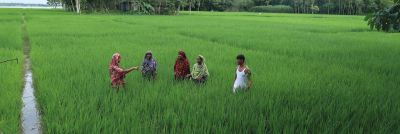
Despite decades of progress in poverty reduction, over 15 million people in Bangladesh still live in extreme poverty - facing chronic food insecurity, exclusion from basic services, and limited livelihood opportunities. These challenges are deepened by the accelerating impacts of climate change, from floods and cyclones to river erosion and salinisation.
Women and marginalised communities are disproportionately affected. Female-headed households are overrepresented among those living in extreme poverty. Indigenous Peoples and people with disabilities are often excluded from public services and support systems. Climate shocks worsen these vulnerabilities, disrupting fragile livelihoods and eroding resilience.
What makes this programme essential?
- Climate-focused: The programme directly supports people in high-risk areas to adapt their livelihoods, prepare for climate shocks, and protect hard-earned gains.
- Gender-transformative: It recognises women not only as vulnerable to climate and economic shocks, but also as key decision-makers and agents of change.
- Rights-based: It addresses structural barriers - like exclusion from safety nets and lack of legal protection - that prevent people from escaping poverty.
- Locally led: Implemented by grassroots organisations with deep community roots, ensuring cultural relevance and long-term ownership.
This integrated, multidimensional approach has proven effective in creating lasting change and offers a scalable model for building resilience among those most affected by poverty in times of climate crisis


