Tackling Structural Issues
From individual empowerment to systemic change
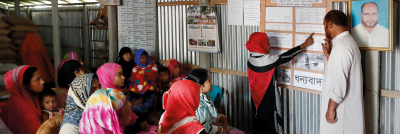
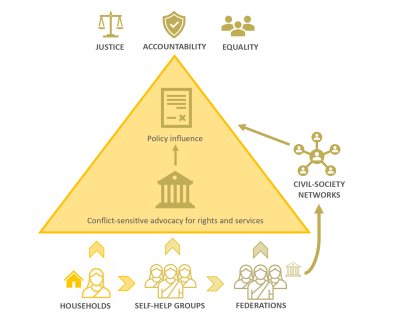
Extreme poverty is not only about lacking resources - it’s also the result of structural exclusion. Many programme participants face entrenched barriers, including corruption, land rights violations, and systemic discrimination in public services. To create lasting change, the programme connects grassroots empowerment with collective advocacy and policy influence.
How local voices shape local systems
Through self-help groups and federations, participants:
- Hold conflict-sensitive dialogues with local authorities to demand services and entitlements (e.g. safety net schemes, agricultural extension)
- Learn to navigate government procedures and claim their rights - without dependency on intermediaries
- Mobilise collectively against early marriage, domestic violence, or land grabbing
Federations increasingly take on a watchdog role, monitoring local governance and initiating accountability actions.
Connecting to policy levels
NETZ and its partners support advocacy that links community insights to national and international policy spaces:
- Structured feedback loops from communities inform programme design and policy recommendations
- NETZ engages in lobby efforts with government actors in Bangladesh, Germany, and the EU - amplifying the perspectives of those most affected by climate and poverty
- Partnerships with civil society platforms (e.g. Bangladesh Forum Germany) foster coordinated action for systemic change
By addressing the root causes of poverty and exclusion, the programme not only enhances individual well-being but also helps build more accountable and inclusive local governance systems.