Risk Mitigation and Disaster Preparedness
Protecting progress in a climate-vulnerable context
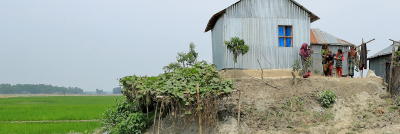
In climate-exposed regions, even modest gains can be wiped out by a single flood, cyclone, or drought. For people living in extreme poverty, risk mitigation is not optional - it’s essential. That’s why the programme embeds protective measures at every stage to ensure that participants are not pushed back into poverty.
Three layers of protection
1. Emergency savings and reserves
- Participants save small amounts weekly into group accounts
- Traditional practices like mushti chal (setting aside a handful of rice daily) are revitalised as informal safety nets
- These reserves are used during illness, crop failure, or family emergencies
2. Participatory climate risk analysis and community preparedness
- The CVCA method is used to assess local vulnerabilities and adaptive capacities
- Results inform locally tailored strategies, updated annually and used for programme adjustments
- Community volunteers (at least 50% women) are trained to support preparedness, early warning, and coordination with disaster committees
3. Disaster preparedness training
- Group sessions include training on flood response, cyclone preparedness, and emergency planning
- Families develop household-level contingency plans, including safe shelter and evacuation strategies
These measures not only protect livelihoods - they foster a sense of confidence and psychological security that enables long-term planning and investment.


